Cretan food The Soul of Crete on a Plate: A Deep History of Cretan Food, Traditions, and All Its Flavors
Crete is not just the largest island of Greece it is a living museum of food history. Every loaf of bread, drizzle of olive oil, handful of herbs, and slow-cooked stew carries thousands of years of tradition. Cretan cuisine is often called one of the healthiest food cultures in the world, but for locals, it is simply the way life has always been lived: seasonal, frugal, celebratory, and deeply connected to land and family.
From the ancient Minoan civilization to Byzantine monks, Venetian traders, Ottoman influences, and modern Greek kitchens, Cretan food has evolved while preserving its soul. What makes it special is not just what is eaten, but how it is grown, prepared, shared, and respected.
Cretan cuisine: its history, philosophy, ingredients, techniques, famous dishes, festive foods, regional variations, and the cultural meaning behind the meals.
- The Ancient Roots of Cretan Cuisine
The Minoan Diet (3000–1100 BCE)
Crete was home to the Minoan civilization, one of Europe’s earliest advanced cultures. Archaeological findings from palaces like Knossos reveal storage jars for olive oil, wine, grain, and honey. Frescoes show banquets and rituals connected to food.
The Minoan diet was built around:
Barley and wheat
Olives and olive oil
Wild greens
Figs and grapes
Lentils and chickpeas
Seafood and snails
Goat and sheep products
Herbs and aromatic plants
This foundation still defines Cretan cooking today. The island’s rugged terrain encouraged pastoral life, foraging, and simple preservation methods like drying herbs, curing cheese, and fermenting wine.
Classical, Roman, and Byzantine Influences
Later eras refined these food traditions:
The Romans improved olive oil production and wine trade
The Byzantines introduced fasting cuisines and monastery cooking
The Venetians brought pasta, pies, and baking techniques
The Ottomans introduced spices, slow-cooked meats, and sweets with syrup
Cretan cuisine absorbed these influences but always filtered them through local ingredients and habits.
- The Philosophy of Cretan Food
Cretan food is not recipe-based cooking — it is lifestyle cooking. It reflects:
Seasonality – eating what grows now
Frugality – using every part of food
Respect for land – homegrown produce
Community – food as shared ritual
Simplicity – few ingredients, perfect technique
The famous Cretan diet, studied in the 1950s, later influenced what became known globally as the Mediterranean Diet Foundation model. The island showed remarkably low rates of heart disease and long life expectancy due to daily olive oil use, vegetables, legumes, and walking.
- Core Ingredients of Cretan Cuisine
Olive Oil: The Liquid Gold of Crete
Crete produces some of Greece’s finest olive oil. It is not a condiment — it is the base of cooking. Olive oil is used generously in:
Stews
Salads
Legumes
Baking
Even sweets
Villages often press their own oil, and families store enough to last the entire year.
Wild Greens (Horta)
Cretans forage over 100 edible wild plants:
Dandelion
Chicory
Fennel greens
Purslane
Wild mustard
Boiled lightly and dressed with lemon and olive oil, these greens are everyday food — and nutritional powerhouses.
Cheese
Crete’s cheeses are soft, fresh, and lightly aged:
Graviera – firm, nutty, slightly sweet
Mizithra – fresh whey cheese
Anthotyros – light and creamy
Xinotyro – tangy and aged
Cheese is used in pies, salads, pastries, and eaten with bread and olives.
Herbs and Aromatics
Cretan mountains grow herbs of legendary aroma:
Oregano
Thyme
Sage
Dittany
Rosemary
Many households still dry their own herbs from hillsides.
Bread and Grains
Bread is sacred. Traditional rusks made from barley or wheat are the base of many dishes. Nothing is wasted: stale bread becomes salads, soups, or toasted accompaniments.
- The Iconic Dishes of Crete
Dakos (Barley Rusk Salad)
The heart of Cretan summer:
Barley rusk
Ripe tomato
Olive oil
Mizithra cheese
Oregano
It is simple, raw, and deeply satisfying.
Kalitsounia (Cheese or Herb Pies)
Small pastries filled with:
Sweet cheese and honey
Or wild greens and herbs
They can be baked or fried and are common at festivals.
Gamopilafo (Wedding Rice)
A celebratory dish made with:
Goat or lamb broth
Rice
Lemon
Butter
Traditionally served at weddings and baptisms.
Antikristo (Fire-Roasted Lamb)
A dramatic shepherd’s dish:
Whole lamb cooked on wooden stakes around open fire
Salted only
Slow-roasted for hours
This is food for festivals and mountain gatherings.
Chochlioi (Snails)
Snails are cooked with:
Vinegar and rosemary
Or tomato and herbs
They are everyday village food, especially after rain.
Stamnagathi (Wild Chicory)
Often sautéed with olive oil and served with eggs or meat.
- The Role of Meat in Cretan Food
Meat is not eaten daily — it is reserved for:
Sundays
Feasts
Religious holidays
Weddings
Common meats:
Goat
Lamb
Pork
Rabbit
Traditional cooking methods:
Slow braising
Open-fire roasting
Stewing with wine or herbs
The flavor comes from patience, not heavy seasoning.
- Seafood and Coastal Cuisine
Crete’s coastline offers:
Grilled octopus
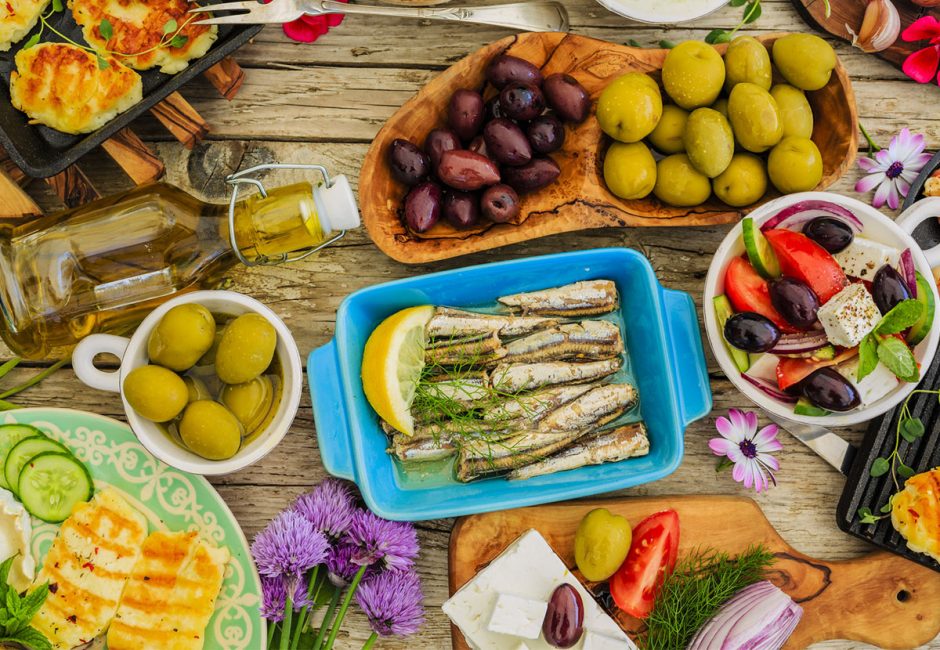
Sardines
Red mullet
Sea bream
Squid
Simple preparation:
Olive oil
Lemon
Salt
Grilling over charcoal
Fishermen’s villages serve seafood fresh from the morning catch.
- Fasting Food and Monastery Traditions
The Greek Orthodox calendar includes many fasting periods when meat and dairy are avoided. Cretan fasting food includes:
Legume stews
Lentil soups
Chickpea casseroles
Vegetable pies
Tahini sauces
Olives and bread
Monasteries helped preserve many plant-based recipes still used today.
- Sweets and Desserts of Crete
Cretan desserts are not overly sugary. Honey is the main sweetener.
Loukoumades
Fried dough balls with honey and cinnamon.
Xerotigana
Crispy twisted pastries served at weddings.
Kalitsounia with Honey
Sweet cheese pies drizzled with thyme honey.
Dried Fruits and Nuts
Figs, almonds, walnuts, raisins — everyday sweets from nature.
- Wine, Raki, and Hospitality Culture
Crete has ancient wine traditions, now revived around Wines of Crete Network. Local grape varieties like Vidiano and Liatiko are gaining international recognition.
But the soul of Cretan hospitality is raki (tsikoudia):
Distilled grape spirit
Offered freely to guests
Served after meals
Symbol of friendship
In villages, refusing raki can be considered rude — hospitality is sacred.
- Food as Celebration, Identity, and Resistance
During wartime and occupation, Cretan food became a form of survival and cultural resistance. Families relied on:
Foraged greens
Bread and olives
Goat milk
Shared meals
Food preserved dignity when resources were scarce.
Today, traditional tavernas across Chania, Rethymno, and Heraklion continue these traditions — though many locals still believe the best food is found in village homes, not restaurants.
- Modern Crete: Tradition Meets Innovation
Young chefs are reviving old recipes:
Using wild herbs
Reviving ancient grains
Reimagining peasant food as fine dining
But the heart remains unchanged:
Olive oil
Bread
Herbs
Community
Fire and patience
Crete does not chase food trends — it quietly outlives them.
- Why Cretan Food Endures
Cretan cuisine endures because it is not about excess. It is about balance:
Hard labor and nourishing food
Celebration and restraint
Simplicity and depth
Nature and tradition
Memory and continuity
To eat like a Cretan is not to follow a diet.
It is to eat slowly.
To share.
To use what the land gives.
To honor ancestors through everyday cooking.
Cretan food is history you can taste. It is olive oil pressed by families whose trees are older than nations. It is bread baked by hands repeating gestures learned from grandparents. It is herbs gathered from mountains walked by shepherds for millennia.
In every Cretan meal lives the story of survival, celebration, and stubborn love for land and people.
About the Author